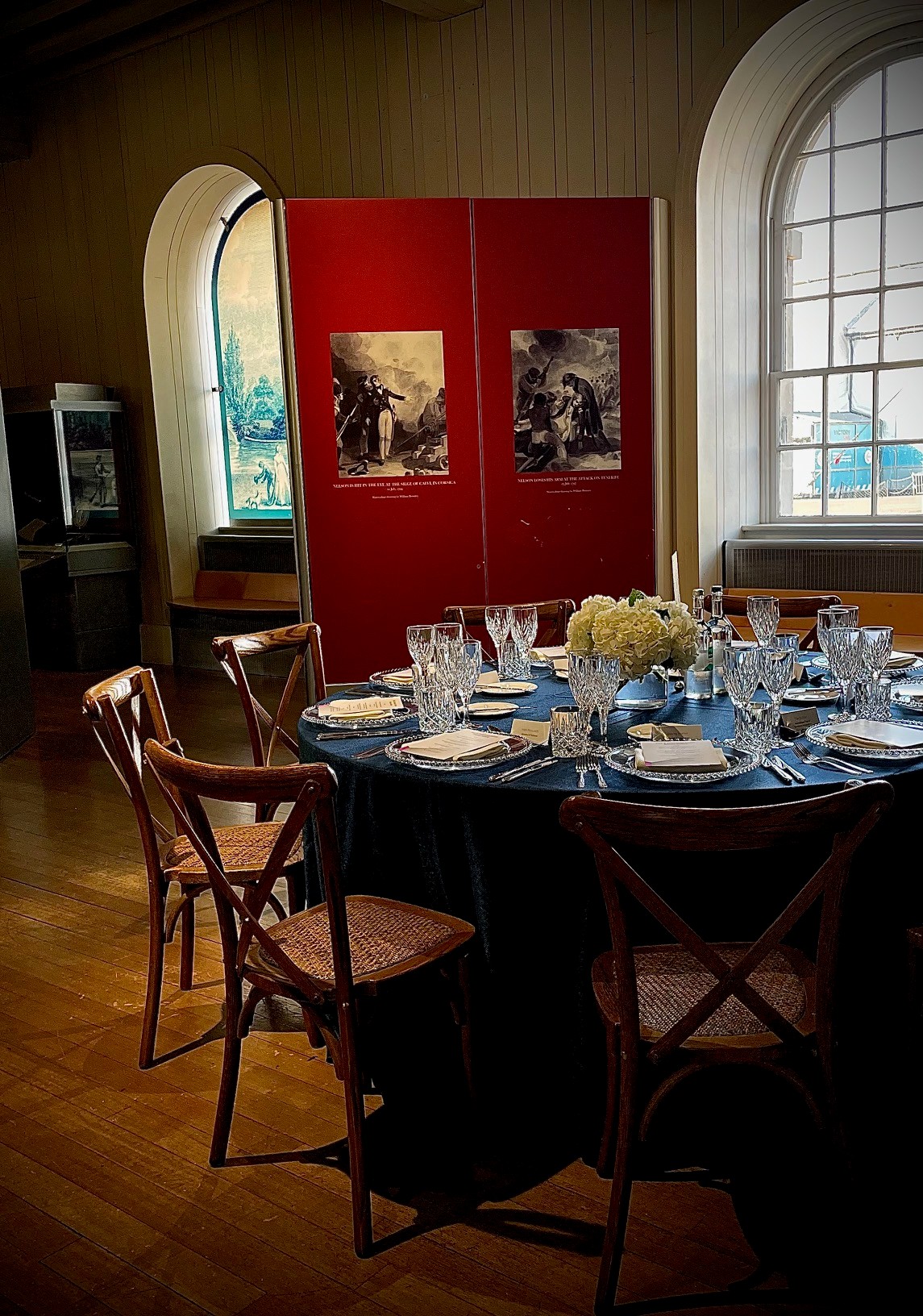
When a complex corporate event runs well, the work that made it possible is invisible. Guests arrive, the schedule flows, the catering lands on time, the speakers know where to stand, and the team behind it all is so practised in handling the small inevitabilities that nothing reaches the room.
That invisibility is the product of a process, one that has very little to do with the day itself, and almost everything to do with what happens in the weeks and months before it.
This is a look at how corporate event organisers actually work. Not the glossy version, but the discipline, the supplier relationships, and the planning structure that turn a brief into a delivered event, and because most experienced organisers spend their working lives both commissioning suppliers and being commissioned as one, this is also a look at why that dual perspective matters.
Understanding the brief, where every event begins
Every event starts with the same question, asked properly: what is this event actually for?
A corporate gala is not the same as a client dinner. An AGM is not the same as an awards evening. A conference designed to align global teams looks nothing like a hospitality programme built to deepen employee relationships, even when the room, the catering and the running order appear similar on paper.
The first conversation between a corporate event organiser and a client is rarely about logistics. It is about objective, audience and outcome, what success looks like, who the event is really for, and what the client wants the room to feel like when it is over. Those answers shape every decision that follows, from the venue shortlist to the seating plan to the choice of caterer. Skip them, and the event becomes a series of disconnected logistical tasks rather than a coherent experience.
This is also the stage where realistic scope is set. Good organisers push back where a brief is unclear, ambitious in the wrong direction, or quietly impossible inside the budget. That early honesty saves significant time later.
Building the team around the event
Once the brief is clear, the team is assembled, this is where the structural differences between organisers start to show.
In all CLE led corporate events, our tight team means the same people who begin the work also deliver it. There is no handover from sales to account management to a junior coordinator. The lead who heard the brief is the lead who briefs the suppliers, walks the venue, and stands at the entrance on the night of the event.
Around that lead sits a network of trusted suppliers, caterers, audiovisual and technical production partners, accommodation specialists, transport providers, venue staff, and onsite delivery teams. These are relationships built over years, not booked from a directory. The discipline of working with the same suppliers across many events means fewer surprises, faster decisions, and a shared understanding of standards.
It is also where the dual perspective comes in. An experienced organiser is sometimes the client commissioning those suppliers, and sometimes the supplier working for the client or a larger in house team. The discipline is the same either way: clear expectations, accurate briefings, and a shared belief that everyone is responsible for the guest experience.
Venue, logistics and the planning timeline
With the team in place, attention turns to the venue and the timeline.
A specialist venue finding service is rarely about access to a list of buildings. The skill lies in matching the right venue to the brief, capacity, accessibility, technical capability, the right ambience for the audience, and the small practical details that only emerge on a site visit. Two rooms that look identical on paper can deliver very different experiences in practice.
From the venue, the planning timeline is built backwards from event day. Every supplier confirmation, every guest communication, every contract sign off has a date attached to it. The schedule is not just a project plan, it is a contingency map. Experienced organisers know where the pressure points sit, which suppliers need the longest lead times, and which decisions can be left until later without risk.
Built into this timeline is space for the things that always change. Headcount shifts. Speakers drop out. Dietary requirements arrive late. A venue restriction emerges that was not flagged at the site visit. These are not exceptions; they are the norm. The discipline is in absorbing them without disturbing the rest of the plan.


Hospitality, accommodation and the guest experience
Once the structural decisions are made, the focus moves to the guest experience, the layer most attendees actually notice.
Accommodation management is a discipline in itself. Block bookings, room allocations, VIP arrangements, late arrivals, group transfers, and the handling of last-minute changes all require careful management, a poorly managed hotel block can undermine an otherwise excellent event before it has begun.
Corporate hospitality management sits alongside it. Catering decisions are tied to the purpose of the event, not just the menu. A working lunch during an AGM has a different brief from an executive dinner for ten senior clients in a private dining room. The detailed work, table plans, dietary requirements handled discreetly, the right level of service for the audience, this is what makes guests feel valued without ever drawing attention to itself.
Done well, hospitality is the part of the event guests remember. Done poorly, it is also the part they remember.
Onsite delivery, when the plan meets the day
The week of the event is when the plan stops being a document and starts being a sequence of decisions.
A walk through of the venue with key suppliers tightens the plan. Rehearsals catch the issues that only appear when the room is set. Run sheets are confirmed, contact lists circulated, and the inevitable last minute amendments absorbed into the schedule.
On the day itself, the organiser’s job is to make the right decisions quickly and quietly. A late guest, a missing badge, a technical issue with a microphone, a speaker who has changed their slides, none of these reach the audience if the team handles them at the right level. Senior presence onsite matters here. Decisions about how to handle an unexpected change need to be made by someone with the authority and experience to make them without checking in.
This is where design and technical production partners earn their value. The relationship between the organiser, the venue and the technical team, built over the planning weeks, is what allows the day to flow.
Post event review and what defines a successful delivery
The event ends, but the work does not.
A proper debrief, with the client, internally, and with key suppliers, captures what worked, what could have been better, and what should change for next time. For repeat events, this is where the next year’s improvements begin. For one off events, it is where the relationship with the client either deepens into the next project or finishes cleanly.
Longterm client relationships in corporate event management are built one event at a time. The clients who return are the ones who experienced the discipline, not just the result, who saw the small decisions made well, the issues handled before they became problems, and the senior team they trusted at the start still standing alongside them at the end.
That, in the end, is what behind the scenes really means. Not a glossy show of activity, but the steady, quiet work of getting every detail right, and then making it look easy.
Frequently asked questions
What does a corporate event organiser actually do?
A corporate event organiser takes responsibility for the planning, coordination and delivery of a business event from brief to final debrief. That includes understanding the client’s objective, sourcing the venue, coordinating suppliers, managing the guest experience, and overseeing onsite delivery. The role is part project management, part supplier coordination, and part senior advisor to the client throughout.
How early should you engage a corporate event organiser?
As early as possible, ideally before the venue is booked. The earlier an organiser is involved, the more value they can add to the brief, the budget and the venue choice. For complex events such as international conferences or multiday hospitality programmes, six to twelve months’ lead time is normal. Shorter timelines are workable, but they reduce the room for negotiation, supplier flexibility and contingency planning.
What is the difference between an event organiser and an event production company?
An event organiser manages the full event end to end, brief, venue, suppliers, guests, logistics, hospitality and onsite delivery. An event production company typically focuses on the technical and creative elements of the event itself: staging, audiovisual, lighting, content design and live show delivery. The two work closely together, and an experienced organiser will bring trusted production partners into the team rather than attempting to deliver those services inhouse.
How does a corporate event organiser manage suppliers and venues?
Through longstanding relationships, clear briefings and a planning timeline that gives every supplier the information they need at the right time. The strength of the supplier network is often what separates experienced organisers from newer entrants, the trust built over many events is what allows decisions to be made quickly when something needs to change.
Can a corporate event organiser work alongside an inhouse events team?
Yes, and this is a common arrangement. Many large organisations have an internal events function, but bring in a specialist organiser for complex, international, or high stakes events that require additional capacity or specific expertise. The role of the external organiser is to support the inhouse team, not replace it, and the most productive partnerships are built on clear roles and shared trust.
What separates a good corporate event organiser from an average one?
Three things. The seniority of the team that actually delivers the event, the depth and consistency of the supplier relationships behind them, and the discipline of the process used to plan and deliver. Anyone can produce a glossy proposal. The difference shows up in the small decisions made on the day, and ultimately in whether the client wants to work with them again on the next event.


